产品: SirT1 抗体
货号: DF6033
描述: Rabbit polyclonal antibody to SirT1
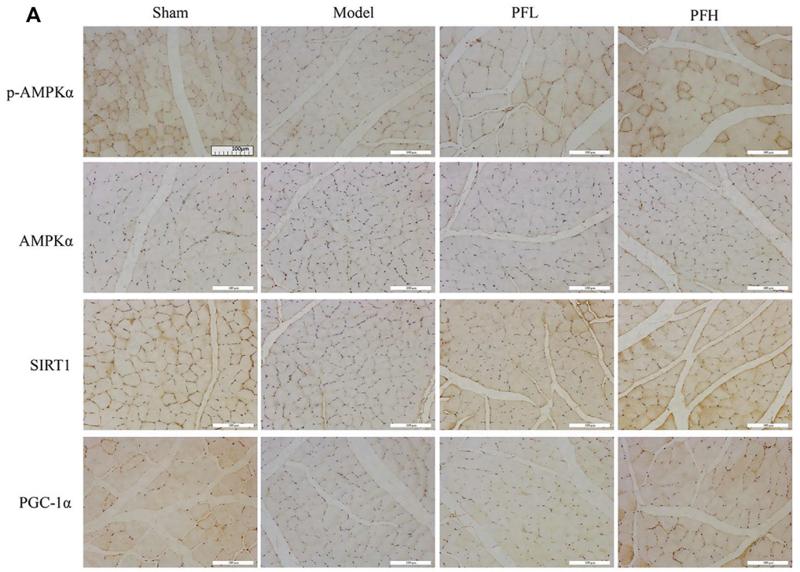
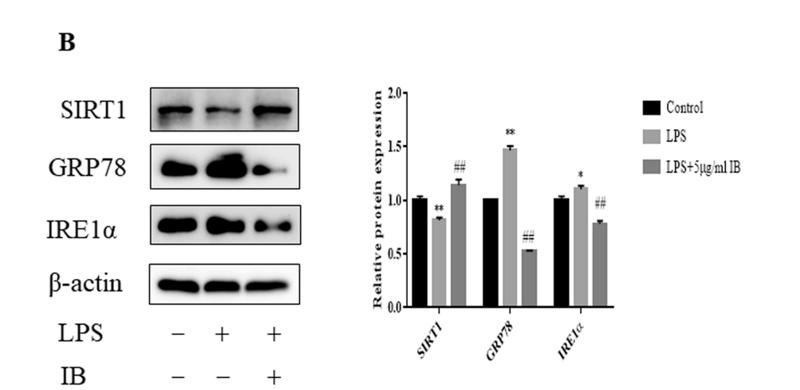
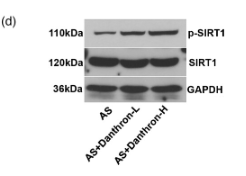
应用: WB IHC
文献验证: WB, IHC
反应: Human, Mouse, Rat, Monkey
蛋白号: Q96EB6
RRID: AB_2838007

浏览相似产品>>

   规格 价格 库存
 50ul RMB¥ 1250 现货
 100ul RMB¥ 2300 现货
 200ul RMB¥ 3000 现货

货期: 当天发货

联系销售

产品描述

来源:
Rabbit
应用:
WB 1:500-1:2000, IHC 1:50-1:200
*The optimal dilutions should be determined by the end user. For optimal experimental results, antibody reuse is not recommended.
*Tips:

WB: 适用于变性蛋白样本的免疫印迹检测. IHC: 适用于组织样本的石蜡(IHC-p)或冰冻(IHC-f)切片样本的免疫组化/荧光检测. IF/ICC: 适用于细胞样本的荧光检测. ELISA(peptide): 适用于抗原肽的ELISA检测.

反应:
Human, Mouse, Rat, Monkey
克隆:
Polyclonal
特异性:
SirT1 Antibody detects endogenous levels of total SirT1.
RRID:
AB_2838007
引用格式: Affinity Biosciences Cat# DF6033, RRID:AB_2838007.
偶联:
Unconjugated.
纯化:
The antiserum was purified by peptide affinity chromatography using SulfoLink™ Coupling Resin (Thermo Fisher Scientific).
保存:
Rabbit IgG in phosphate buffered saline , pH 7.4, 150mM NaCl, 0.02% sodium azide and 50% glycerol. Store at -20 °C. Stable for 12 months from date of receipt.
别名:

展开/折叠

75SirT1; hSIR2; hSIRT1; HST2, S. cerevisiae, homolog of; NAD dependent deacetylase sirtuin 1; NAD dependent protein deacetylase sirtuin 1; OTTHUMP00000198111; OTTHUMP00000198112; Regulatory protein SIR2 homolog 1; SIR1_HUMAN; SIR2; SIR2 like 1; SIR2 like protein 1; SIR2, S.cerevisiae, homolog-like 1; SIR2-like protein 1; SIR2ALPHA; SIR2L1; Sirt1; SirtT1 75 kDa fragment; Sirtuin (silent mating type information regulation 2 homolog) 1 (S. cerevisiae); Sirtuin 1; Sirtuin type 1;

抗原和靶标

免疫原:

A synthesized peptide derived from human SirT1, corresponding to a region within C-terminal amino acids.

基因/基因ID:
描述:
The Silent Information Regulator (SIR2) family of genes is a highly conserved group of genes that encode nicotinamide adenine dinucleotide (NAD)-dependent protein deacetylases, also known as class III histone deacetylases. The first discovered and best characterized of these genes is Saccharomyces cerevisiae SIR2, which is involved in silencing of mating type loci, telomere maintenance, DNA damage response, and cell aging (1). SirT1, the mammalian ortholog of Sir2, is a nuclear protein implicated in the regulation of many cellular processes, including apoptosis, cellular senescence, endocrine signaling, glucose homeostasis, aging, and longevity. Targets of SirT1 include acetylated p53 (2,3), p300 (4), Ku70 (5), forkhead (FoxO) transcription factors (5,6), PPARγ (7), and the PPARγ coactivator-1α (PGC-1α) protein (8). Deacetylation of p53 and FoxO transcription factors represses apoptosis and increases cell survival (2,3,5,6). Deacetylation of PPARγ and PGC-1α regulates the gluconeogenic/glycolytic pathways in the liver and fat mobilization in white adipocytes in response to fasting (7,8). SirT1 deacetylase activity is inhibited by nicotinamide and activated by resveratrol. In addition, SirT1 activity may be regulated by phosphorylation, since it is phosphorylated on Ser27 and Ser47 in vivo, however, the function of these phosphorylation sites has not yet been determined (9).

研究领域

· Cellular Processes > Cell growth and death > Cellular senescence.   (View pathway)

· Environmental Information Processing > Signal transduction > FoxO signaling pathway.   (View pathway)

· Environmental Information Processing > Signal transduction > AMPK signaling pathway.   (View pathway)

· Human Diseases > Substance dependence > Amphetamine addiction.

· Human Diseases > Cancers: Overview > MicroRNAs in cancer.

· Organismal Systems > Aging > Longevity regulating pathway.   (View pathway)

· Organismal Systems > Aging > Longevity regulating pathway - multiple species.   (View pathway)

· Organismal Systems > Endocrine system > Glucagon signaling pathway.

文献引用

1). A Sirtuin-1-Targeted Gene-Activating Tetrahedral DNA Attenuates Bladder Fibrosis by Restoring Mitophagy in Fibroblasts via the SIRT1-FOXO3-BNIP3 Axis. Advanced science (Weinheim, Baden-Wurttemberg, Germany), 2025 (PubMed: 41276935) [IF=15.1]

Application: WB    Species: Mouse    Sample:
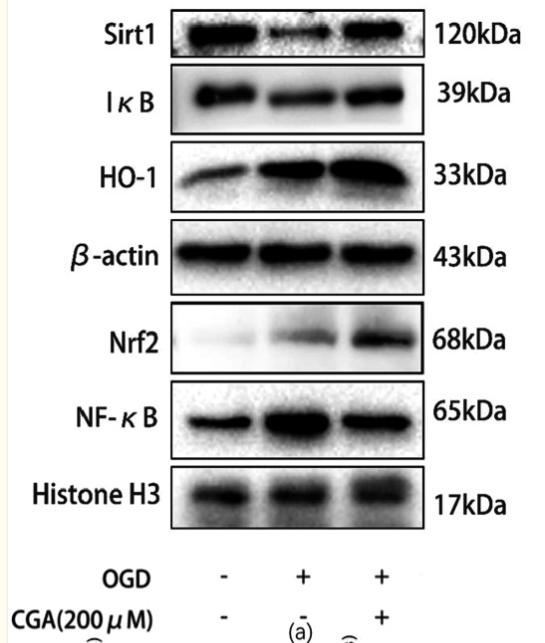
Figure 1. SIRT1 is downregulated in Fibrotic Bladder Tissue and Activated Fibroblasts. A) t‐distributed stochastic neighbor embedding (t‐SNE) visualization illustrating the distribution of five distinct cell populations isolated from murine bladder tissues in both control and BOO‐induced groups (n = 3 per group). Fibro, fibroblast; UC, urothelial cell; IC, immune cell; SMC, smooth muscle cell; SC, Schwann cell. B) Gene expression patterns of marker genes on t‐SNE plots: fibroblasts (Pdgfra), urothelial cells (Upk1a), immune cells (Ptprc), smooth muscle cells (Acta2), and Schwann cells (Cdh19). C) Dot plot summarizing the top five marker genes in each cluster. D) Gene Set Enrichment Analysis (GSEA) highlighting biological processes significantly associated with marker genes derived from each cell population. E) Feature plot analysis reveals pronounced downregulation of Sirt1expression in fibrotic bladder tissue. F,G) Bulk RNA sequencing analysis of a rat BOO model identifies differentially expressed genes (DEGs) enriched in pathways related to fibroblast proliferation, concurrent with reduced Sirt1expression. H) Representative histopathological images of bladder sections stained with hematoxylin and eosin (H&E) and Sirius red, comparing control and BOO groups (scale bar = 100 µm). Data are presented as the mean ± standard deviation (SD) (n = 3). I) Immunofluorescence staining confirms predominant SIRT1 expression within PDGFRA⁺ fibroblasts and demonstrates significant reduction following BOO induction (scale bar = 20 µm). J) Western blot analysis shows decreased SIRT1 protein levels accompanied by elevated expression of collagen‐I (COL‐1) and fibronectin (FN) in fibrotic bladders. K) Integrated analysis of the publicly available transcriptomic dataset GSE15871 (Gene Expression Omnibus) reveals significant downregulation of Sirt1in TGF‐β1‐stimulated fibroblasts relative to controls. Data are presented as the mean ± SD (n = 3). L) Validation of SIRT1 suppression in cultured mouse bladder fibroblasts following TGF‐β1 treatment. Data are presented as the mean ± SD (n = 3). Statistical analysis was performed using Student's t‐test.

2). Manganese-based nanozymes as broad-spectrum antioxidants against cisplatin-induced skeletal muscle atrophy. Chemical Engineering Journal, 2025 [IF=13.3]

3). Fyn deficiency inhibits oxidative stress by decreasing c-Cbl-mediated ubiquitination of Sirt1 to attenuate diabetic renal fibrosis. Metabolism, 2023 (PubMed: 36538986) [IF=10.8]

4). Chlorogenic acid exerts neuroprotective effect against hypoxia-ischemia brain injury in neonatal rats by activating Sirt1 to regulate the Nrf2-NF-κB signaling pathway. Cell Communication and Signaling, 2022 (PubMed: 35689269) [IF=8.4]

Application: WB    Species: Rat    Sample: primary cortical neurons

Fig. 9 Chlorogenic acid regulates the Nrf2-NF-κB signaling pathway by activating Sirt1 in primary cortical neurons. a Western blot evaluation of the protein levels of Sirt1, IκB, HO-1, Nrf2, NF-κB 24h after OGD. b–f Quantification of western blot data of Sirt1, IκB, HO-1, Nrf2, NF-κB. ∗∗P < 0.01 and ∗∗∗P < 0.001 vs. the control group. #P < 0.05, ##P < 0.01 and ###P < 0.001 vs. the OGD group. n = 3

5). Polyoxometalates Ameliorate Metabolic Dysfunction-Associated Steatotic Liver Disease by Activating the AMPK Signaling Pathway. International journal of nanomedicine, 2024 (PubMed: 39479173) [IF=8.0]

6). Hepatoprotective effects of polysaccharide from Morchella esculenta are associated with activation of the AMPK/Sirt1 signaling pathway in mice with NAFLD. International journal of biological macromolecules, 2025 (PubMed: 39884630) [IF=7.7]

7). METTL3-mediated m6A modification of SIRT1 mRNA modulates podocyte autophagy in diabetes nephropathy with the treatment effect of Astragalus polysaccharide. International journal of biological macromolecules, 2025 (PubMed: 41349753) [IF=7.7]

8). Metformin suppresses cardiac fibroblast proliferation under high-glucose conditions via regulating the mitochondrial complex I protein Grim-19 involved in the Sirt1/Stat3 signaling pathway. Free radical biology & medicine, 2023 (PubMed: 37353174) [IF=7.1]

Application: WB    Species: Mouse    Sample:

Fig. 1. Metformin suppressed cardiac fibrosis in mice with diabetes. (a) Hematoxylin and eosin staining; (b) Masson trichrome staining; (c) α-SMA of the myocardium; and (d) Changes in the protein levels of Sirt1, p-Stat3 and Grim-19 in mice with diabetes. (e, f) Expression of Grim-19 in different tissues. (g) Venn diagram of genes regulated by metformin and Grim-19 by searching the TCMSP database. (h) GO enrichment analysis for metformin and Grim-19-related pathways. The y-axis represents the enriched GO terms; the x-axis represents the expression levels of metformin- and Grim-19-related mRNAs enriched in GO terms. Data are expressed as the mean ± standard deviation (n = 6 per group). *P < 0.05, **P < 0.01, ***P < 0.001.

9). TMF inhibits extracellular matrix degradation by regulating the C/EBPβ/ADAMTS5 signaling pathway in osteoarthritis. Biomedicine & pharmacotherapy = Biomedecine & pharmacotherapie, 2024 (PubMed: 38554527) [IF=6.9]

Application: WB    Species: Human    Sample: C28/I2 cells

Fig. 6. TMF inhibited ECM degradation by activating SIRT1 expression. (A–B) IHC assays were used to detect the altered expression of SIRT1. (C–J) Western blotting assays were used to detect the protein expression of Aggrecan, ADAMTS5, C/EBPβ, p-C/EBPβ, caspase3, cleaved-caspase3, SIRT1, and FOXO3a in EX527-treated C28/I2 cells. (K–L) The apoptosis rate was determined by a flow cytometer.

Application: IHC    Species: Human    Sample: C28/I2 cells
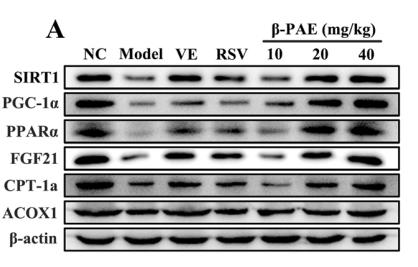
Fig. 6. TMF inhibited ECM degradation by activating SIRT1 expression. (A–B) IHC assays were used to detect the altered expression of SIRT1. (C–J) Western blotting assays were used to detect the protein expression of Aggrecan, ADAMTS5, C/EBPβ, p-C/EBPβ, caspase3, cleaved-caspase3, SIRT1, and FOXO3a in EX527-treated C28/I2 cells. (K–L) The apoptosis rate was determined by a flow cytometer.

10). β-patchoulene improves lipid metabolism to alleviate non-alcoholic fatty liver disease via activating AMPK signaling pathway. BIOMEDICINE & PHARMACOTHERAPY, 2021 (PubMed: 33341045) [IF=6.9]

Application: WB    Species: Human    Sample: L02 cell

Fig. 6. β-PAE promotes the expression of hepatic lipid oxidation-related proteins and genes in HFD-fed rats. (A–G) Western blot analysis on the expression of SIRT1, PGC-1α, PPARα, FGF21, CPT-1a and ACOX1; (H–K) The mRNA expression of SIRT1, PPARα, CPT-1a and ACOX1. Data are presented as the mean ± SD (n = 6~8). ##p < 0.01 vs. NC group; *p < 0.05, **p < 0.01 vs. Model group.

加载更多

限制条款

产品的规格、报价、验证数据请以官网为准,官网链接:www.affbiotech.com | www.affbiotech.cn(简体中文)| www.affbiotech.jp(日本語)

产品的数据信息为Affinity所有,未经授权不得收集Affinity官网数据或资料用于商业用途,对抄袭产品数据的行为我们将保留诉诸法律的权利。

产品相关数据会因产品批次、产品检测情况随时调整,如您已订购该产品,请以订购时随货说明书为准,否则请以官网内容为准,官网内容有改动时恕不另行通知。

Affinity保证所销售产品均经过严格质量检测。如您购买的商品在规定时间内出现问题需要售后时,请您在Affinity官方渠道提交售后申请。

产品仅供科学研究使用。不用于诊断和治疗。 

产品未经授权不得转售。

Affinity Biosciences将不会对在使用我们的产品时可能发生的专利侵权或其他侵权行为负责。Affinity Biosciences, Affinity Biosciences标志和所有其他商标所有权归Affinity Biosciences LTD.